Advanced API Security in Node.js: Rate Limiting, Risk Scoring, and Bot Mitigation Strategies
As Node.js applications grow, they become attractive targets for bots, scrapers, and malicious users. Whether it's brute-force login attempts, API abuse, or automated scraping, securing your backend is no longer optional. In this guide, we’ll explore practical strategies to protect your Node.js APIs using rate limiting, risk scoring, and intelligent request handling.
The Problem: Modern Threats to APIs
APIs today face various types of threats:
- Brute-force attacks on login endpoints
- Scraping bots extracting sensitive data
- Credential stuffing using leaked passwords
- Automated scanners probing vulnerabilities
Traditional solutions like blocking IPs or relying on User-Agent checks are no longer sufficient. Attackers can easily rotate IPs and spoof headers.
Layer 1: Rate Limiting
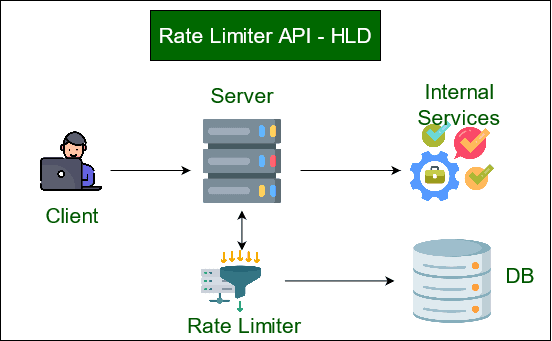
Rate limiting is your first line of defense. It restricts how many requests a client can make in a given time window.
Example using express-rate-limit
const rateLimit = require('express-rate-limit');

const limiter = rateLimit({
  windowMs: 15 * 60 * 1000, // 15 minutes
  max: 100, // limit each IP
  message: 'Too many requests, please try again later.'
});

app.use('/api/', limiter);
This prevents abuse but doesn't distinguish between good and bad users.
Layer 2: Risk Scoring
Instead of blocking blindly, risk scoring assigns a probability score to each request based on behavior.
Key Signals for Risk Analysis
- Missing headers (like Accept, Referer)
- Suspicious User-Agent (curl, bots)
- Accessing sensitive routes (/admin, /login)
- No cookies or session data
- High request frequency
Example Implementation
function calculateRisk(req) {
  let score = 0;

  const ua = req.headers['user-agent'] || '';

  if (!ua) score += 20;
  if (ua.includes('curl') || ua.includes('bot')) score += 30;
  if (req.path.includes('/admin')) score += 25;
  if (!req.headers.cookie) score += 10;

  return score;
}

app.use((req, res, next) => {
  const risk = calculateRisk(req);

  if (risk > 60) {
    return res.status(403).send('Suspicious activity detected');
  }

  next();
});
This approach allows flexible decision-making instead of strict blocking.
Layer 3: Smart Bot Mitigation
Instead of blocking all bots, you should differentiate between:
- Good bots (Google, Bing crawlers)
- Bad bots (scrapers, scanners)
Strategy
- Allow verified crawlers
- Challenge suspicious users (CAPTCHA)
- Throttle unknown traffic
Combining All Layers
A robust system combines all three:
- Rate limit all traffic
- Apply risk scoring
- Take action based on score
Decision Table
Risk ScoreAction 0 - 30Allow 30 - 60Log / Rate Limit 60+Block / Challenge Bonus: Logging Suspicious Requests
Logging helps you analyze attack patterns.
if (risk > 50) {
  console.log({
    ip: req.ip,
    path: req.path,
    risk
  });
}
Best Practices
- Do not rely on a single method
- Keep rules simple and explainable
- Avoid fingerprinting for privacy compliance
- Continuously monitor logs
Conclusion
Securing Node.js APIs requires a layered approach. Rate limiting protects against abuse, risk scoring adds intelligence, and bot mitigation ensures a balance between security and user experience. By combining these strategies, you can build a system that is both secure and user-friendly.
Start simple, monitor behavior, and gradually improve your defenses.